
Choosing the right tile for your kitchen can significantly impact both the aesthetic and functional aspects of your space. While Zellige and ceramic tiles are both popular choices, each brings unique characteristics to your kitchen design. Understanding the nuances between these two options can help you make an informed decision that aligns with your vision and lifestyle. In this article, we will explore the distinctive qualities of Zellige and ceramic tiles, comparing their design aesthetics, durability, and maintenance requirements to determine which option best elevates your kitchen.
Zellige Tile: A Timeless Artisan Choice for Kitchens
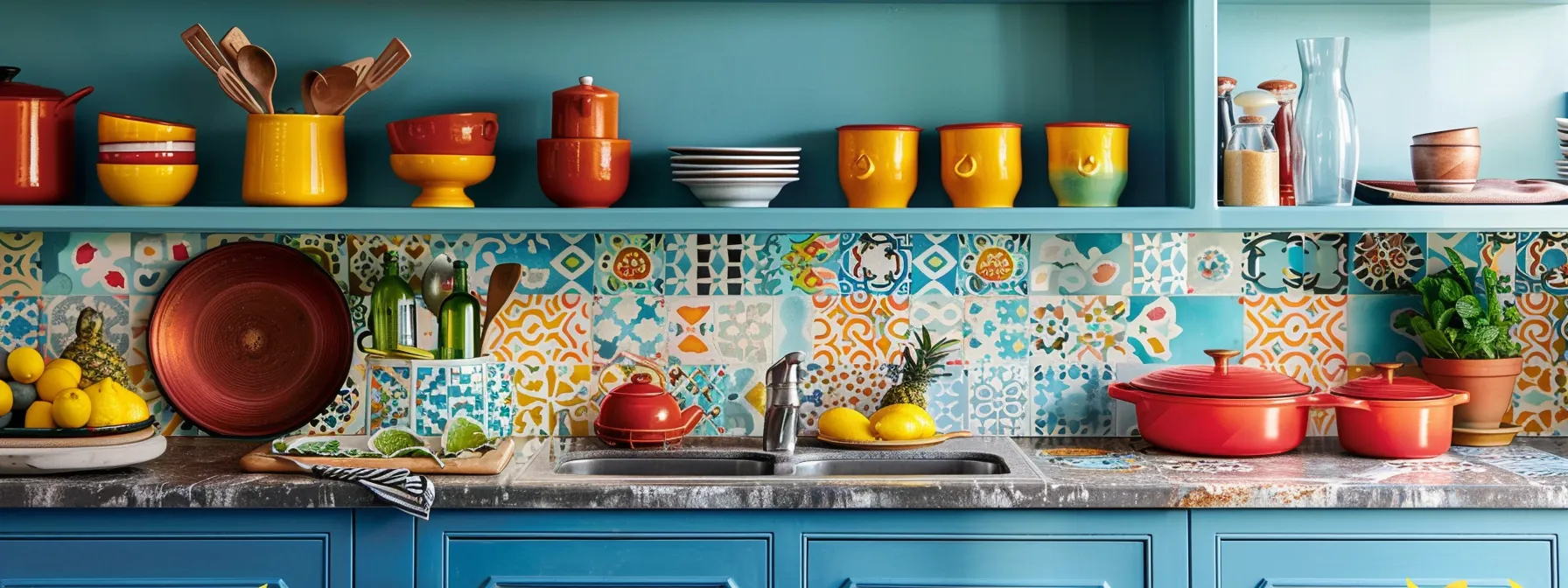
Zellige Tiles are renowned for their handcrafted appeal, originating from Moroccan traditions. Made from non-refined natural clay and glazed with a glossy finish, these tiles are individually cut and fired, resulting in slight variations in color and texture that add a unique charm to any kitchen. This artisanal approach aligns well with the Zellige Tile collections, which showcase a wide array of vibrant hues and intricate patterns. The irregularities of Zellige Tiles can complement an eclectic or rustic kitchen style, making them a popular choice for homeowners seeking a distinctive look.
When considering Zellige Tiles, it’s important to remember that their installation may require skilled craftsmanship to ensure proper alignment and grout application. This attention to detail is crucial to achieving the desired aesthetic effect, often seen during the Design Development Phase in interior architecture projects. The handmade nature of Zellige Tiles means they may also come with a higher price tag, reflecting the artistry involved in their creation.
Ceramic Tile: Versatile and Cost-Effective Solutions
Ceramic tiles are a staple in kitchen designs due to their versatility and affordability. Manufactured from clay and other natural materials, ceramic tiles undergo a firing process that produces a durable and water-resistant surface. Available in an extensive range of colors, sizes, and finishes, ceramic tiles can seamlessly fit into any kitchen style, whether modern, traditional, or transitional. This adaptability makes them a popular choice for homeowners looking for cost-effective yet stylish solutions.
The manufacturing process of ceramic tiles often involves precise specifications, detailed in a spec sheet, ensuring consistency and quality across batches. This uniformity simplifies installation, reducing labor costs compared to more labor-intensive options like Zellige Tiles. Furthermore, ceramic tiles can be easily replaced if damaged, without disrupting the overall aesthetic of the kitchen.
Design Aesthetics: How Each Tile Transforms Kitchen Space
When it comes to design aesthetics, the choice between Zellige and ceramic tiles can dramatically influence the ambiance of your kitchen. Zellige Tiles, with their rich texture and color variations, contribute to a warm and inviting atmosphere. Their reflective glaze can enhance the natural light in a space, making kitchens feel brighter and more open. Zellige Tiles are particularly effective in creating focal points, such as backsplashes or accent walls, where their artisanal qualities can truly shine.
In contrast, ceramic tiles offer a more uniform appearance, which can be advantageous in achieving a sleek and cohesive design. Utilizing color theory application, ceramic tiles can be used to create bold patterns or subtle monochromatic schemes that complement the overall kitchen palette. The wide variety of finishes, from matte to glossy, allows for additional customization, ensuring that the tiles match the desired level of sophistication or simplicity.
Maintenance and Longevity: Comparing Durability and Care
Maintenance and longevity are critical considerations when selecting tiles for a kitchen. Zellige Tiles, while beautiful, require more meticulous care to maintain their appearance. Their porous surface can be susceptible to staining if not sealed properly, and they may require periodic resealing to preserve their integrity. However, with proper care, Zellige Tiles can last for decades, adding timeless elegance to your kitchen.
Ceramic tiles, on the other hand, are known for their durability and ease of maintenance. Their non-porous surface makes them resistant to stains and moisture, which is particularly advantageous in high-traffic kitchen areas. Routine cleaning with mild detergent and water is usually sufficient to keep ceramic tiles looking pristine. Additionally, ceramic tiles have a long lifespan, often meeting Building Code Compliance standards for residential interiors, ensuring they remain a viable option for years to come.
Conclusion

The choice between Zellige and ceramic tiles ultimately depends on your personal style preferences and practical needs. Zellige Tiles offer a unique, handcrafted aesthetic that can add character and warmth to your kitchen, while ceramic tiles provide a versatile and low-maintenance option suitable for a variety of design themes. Both options have their merits, and selecting the right one for your kitchen will significantly enhance the space’s overall appeal and functionality.